Tanzania's e-commerce market is growing. More consumers are comfortable buying online. Mobile money — M-Pesa, Tigo Pesa, Airtel Money — makes digital payments accessible to almost everyone. And the businesses that have built proper online stores are quietly capturing revenue that their competitors, still relying on physical walk-ins and WhatsApp orders, are leaving behind.
This guide covers everything you need to actually build a working e-commerce website in Tanzania — not a theoretical overview, but a practical roadmap from decision to first sale.
Before You Build: Key Decisions to Make
What Are You Selling, and to Whom?
Your answers fundamentally shape the store you need to build:
- Physical products to Tanzanian buyers — needs M-Pesa/local payment integration, delivery logistics, and ideally some Kiswahili content
- Physical products internationally — needs USD/EUR pricing, Stripe or PayPal, international shipping rates
- Digital products (ebooks, courses, templates) — simpler delivery but requires digital fulfilment systems
- Services with online booking — needs a booking/appointment system rather than a standard cart
How Many Products Are You Starting With?
This matters for platform choice and cost. Stores with 10–50 products are built very differently from stores with 500+. Starting small is fine — most successful online stores launched with fewer than 30 products.
Platform Options for Tanzania E-Commerce
| Platform | Best For | M-Pesa Support | Monthly Cost |
|---|---|---|---|
| Custom PHP + WooCommerce | Most Tanzania businesses | Full integration | Hosting only ~$5–15 |
| Shopify | International-first stores | Via third-party apps | $29–$79/month |
| WooCommerce standalone | WordPress sites adding a store | With M-Pesa plugin | Hosting only |
| Custom-built store | Complex requirements, maximum control | Native integration | Hosting only after build |
| Jumia / Kilimall | Testing market, no build required | Built in | Commission per sale |
For most businesses in Tanzania, a WooCommerce build on quality hosting — with proper M-Pesa integration — delivers the best combination of flexibility, cost, and local market fit. The full cost picture is covered in our guide on how much a website costs in Tanzania, including e-commerce pricing.
The Tanzania-Specific Requirements: Mobile Money Integration
This is what separates a Tanzanian e-commerce build from a generic one. Credit card penetration in Tanzania is low — but mobile money penetration is among the highest in the world. Your store must accept:
- M-Pesa (Vodacom Tanzania) — the largest mobile money network, essential for any serious store
- Tigo Pesa — second largest, significant user base especially outside Dar es Salaam
- Airtel Money — growing rapidly, important for complete market coverage
The integration works through APIs provided by each network. When a customer checks out, they enter their phone number, receive a USSD push request on their phone, enter their PIN, and the payment is confirmed automatically — the whole process takes under 30 seconds.
Important: M-Pesa business account approval and API access takes 2–4 weeks to process with Vodacom Tanzania. Plan this into your timeline — it's often the longest part of building a Tanzanian e-commerce store, and it needs to be started early.
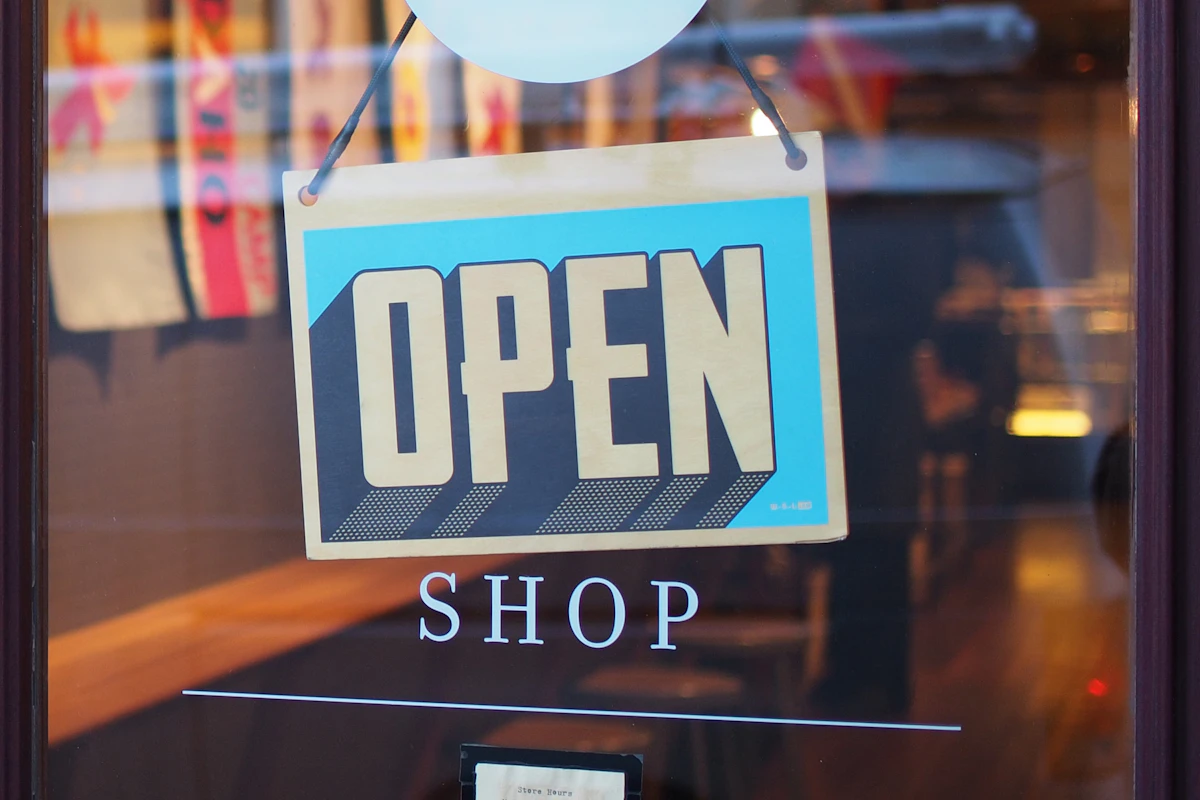
Product photography is one of the highest-leverage investments for an online store — poor images directly reduce conversion rates.
Product Photography: The Most Underestimated Factor
The single biggest driver of conversion rate in e-commerce — after price and trust — is product photography. Customers can't touch, try on, or inspect your products. Your photos do all of that work.
Practical standards for product photos:
- Clean, consistent background (white or neutral) for product-only shots
- Multiple angles — front, back, side, and detail shots
- Context shots — products in use or worn, not just isolated
- Consistent lighting — natural light near a window is often the best free option
- Minimum 1000x1000 pixels — allows zoom without pixelation
You don't need a professional photographer to start. A recent smartphone with good lighting and a clean background produces photos that work. Upgrade to professional photography when your revenue supports it.
The Delivery Question: Solving It Before You Launch
A common e-commerce mistake in Tanzania: launching before delivery logistics are solved. This creates a terrible first customer experience — people order but receive their items late, damaged, or not at all.
Delivery options to consider:
- Local bodaboda delivery — fast, affordable within a city, hard to scale beyond it
- Sendy / G4S Courier — nationwide coverage, reliable, costs more per parcel
- Posta Tanzania — nationwide, slow but most affordable for non-urgent shipments
- Pick-up only — viable for local stores; eliminates delivery complexity for the launch phase
Be explicit on your website about delivery areas, costs, and timelines. Delivery ambiguity is one of the top reasons customers abandon carts before completing purchase.
SEO for E-Commerce Stores in Tanzania
Building the store is the beginning — getting it found is the ongoing work. E-commerce SEO has specific requirements beyond a standard business website:
- Product page SEO — each product page needs unique meta titles, descriptions, and content (not just copied from the manufacturer)
- Category page SEO — category pages like "Women's Dresses" or "Organic Skincare" are often the highest-traffic SEO opportunities
- Schema markup for products — enables rich results in Google showing price, availability, and ratings directly in search
- Site speed — product pages with multiple images need aggressive optimisation to load fast on mobile data connections
Read our complete guide on what SEO is and how it works for the foundational concepts that apply to all website SEO, including e-commerce.
What Does an E-Commerce Store Cost in Tanzania?
| Store Size | Build Cost (USD) | Timeline | Includes |
|---|---|---|---|
| Starter (up to 50 products) | $499 – $700 | 2–3 weeks | M-Pesa integration, mobile responsive, basic admin |
| Growth (up to 200 products) | $700 – $1,200 | 3–4 weeks | All payment methods, advanced admin, SEO setup |
| Full Platform (unlimited) | $1,200 – $2,500+ | 4–8 weeks | All payments, CRM integration, analytics, custom features |
Frequently Asked Questions
Yes. A properly built e-commerce store can handle multiple currencies, display prices in TZS for local customers and USD/EUR for international ones, offer different payment methods by region (M-Pesa for Tanzania, Stripe/PayPal for international), and calculate shipping rates differently by destination. This is more complex to build but entirely feasible for businesses with a genuine international market.
Yes. Vodacom Tanzania's M-Pesa Business API requires a registered business — a business name, TIN number, and a business bank account. The same applies to Tigo and Airtel Money APIs. Individual/personal M-Pesa accounts cannot be used for automated e-commerce payments. If you're not yet registered, this is something to prioritise alongside your website build.
Both have merit. Jumia brings built-in traffic — but takes a significant commission on every sale (typically 10–20%), you don't own the customer relationship, and building brand loyalty through a marketplace is hard. Your own store gives you full margins, customer data, and brand control — but you have to drive the traffic yourself. Many businesses start on Jumia to validate demand, then migrate sales to their own store as they grow.
Ready to Build Your Online Store?
We build e-commerce websites in Tanzania with M-Pesa, Tigo Pesa, and Airtel Money integration. Get a free quote for your online store.
Comments
Loading comments…
Leave a Comment
Your email address will not be published. All comments are moderated before appearing.